Dream together on the Summer Solstice.
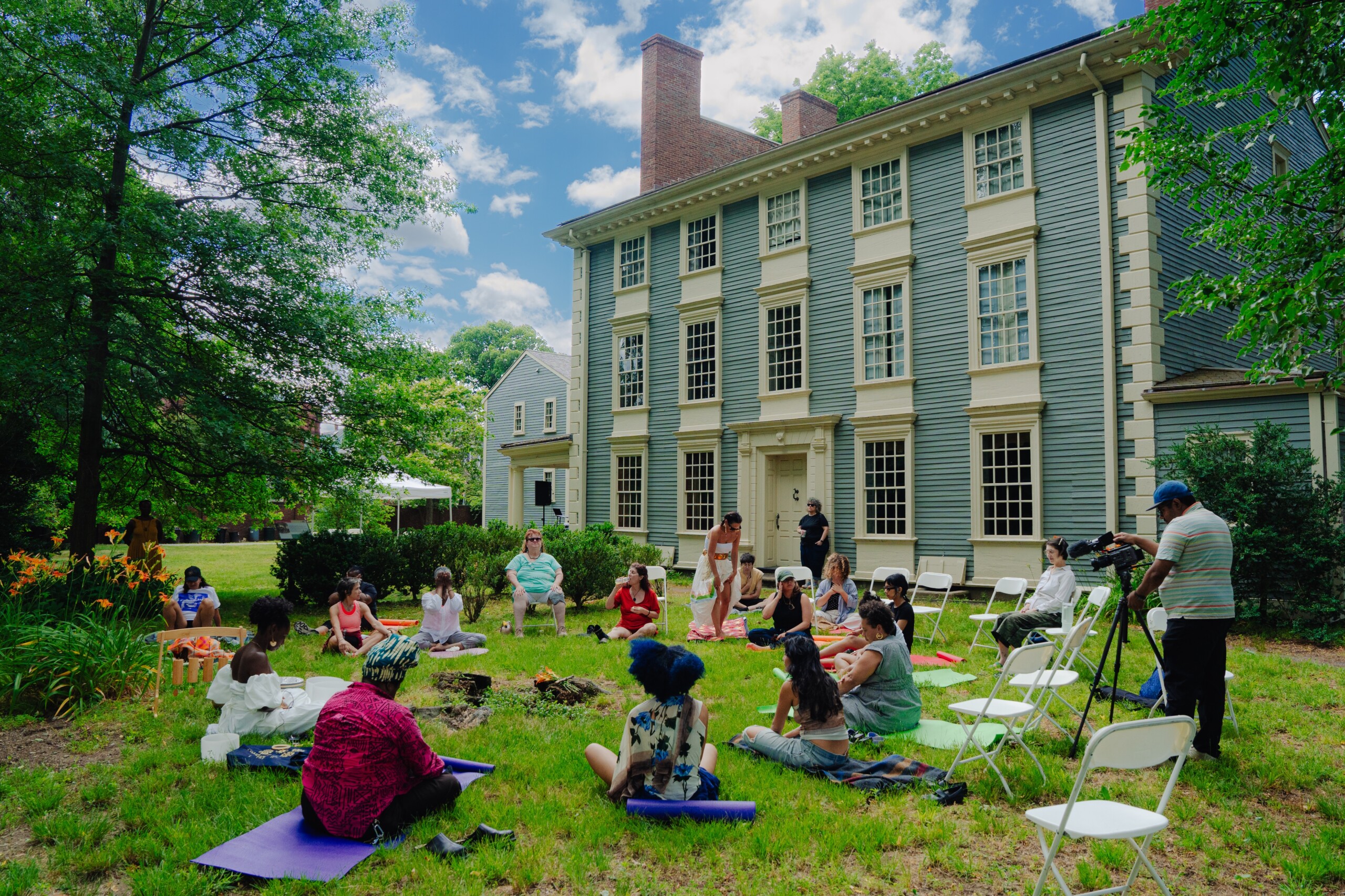
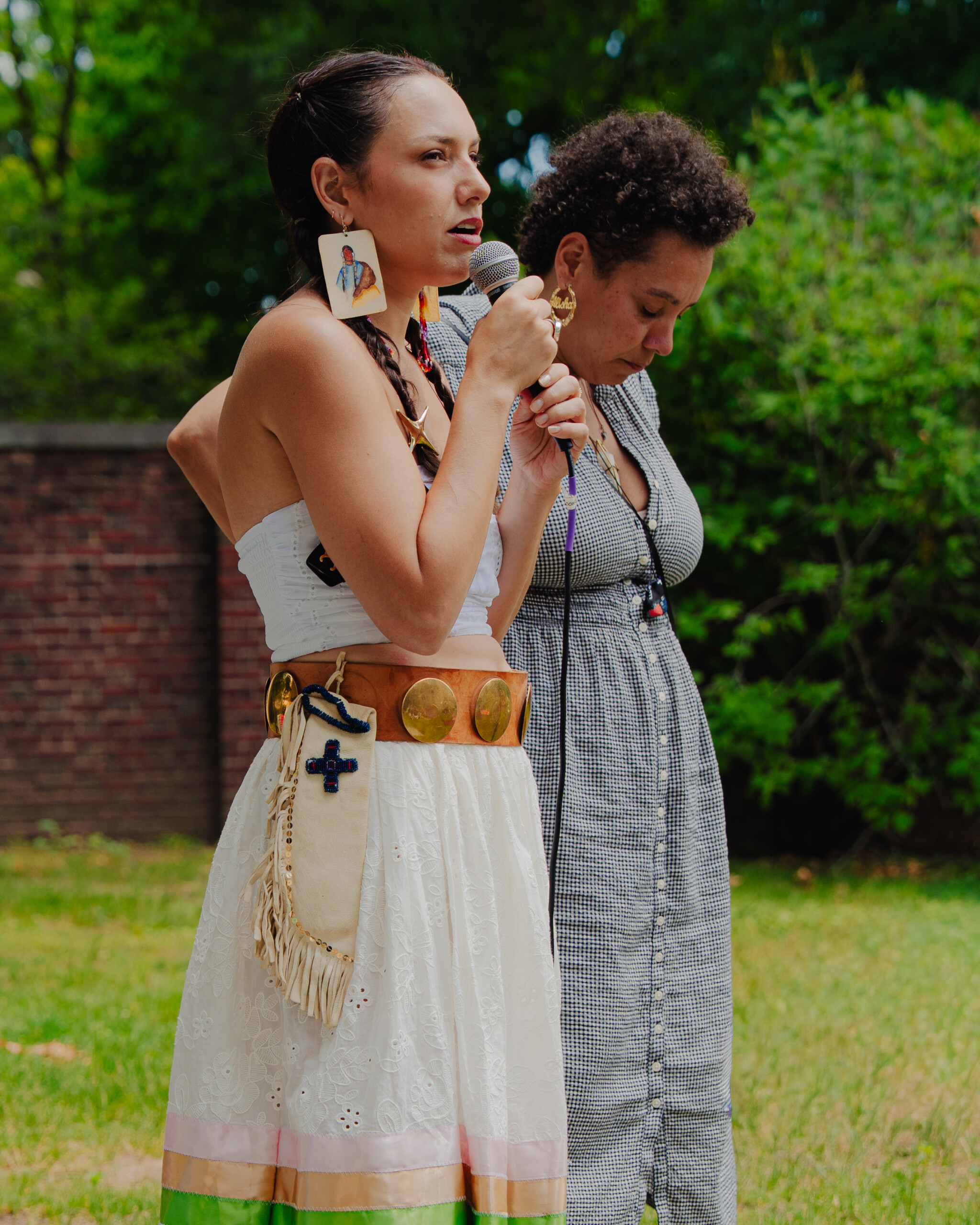
On the longest day of the year, multidisciplinary artists Kite (Oglála Lakȟóta) and Alisha B Wormsley extended their exhibition Welcome to Cosmologyscape to the Royall House and Slave Quarters in Medford, Massachusetts to engage with a broader community of dreamers in Boston.
Centering Black and Indigenous voices while welcoming all, Cosmologyscape: Day of Dreaming held space for a simple but radical question: whose dreams shaped the world we live in today, and whose dreams might allow for a future everyone can thrive in?
Saturday, June 20, 2026 | 12–5 PM
Royall House and Slave Quarters
15 George Street, Medford, Massachusetts
Free, drop in for calming workshops, spend time in community, connect, reflect, and dream together. All welcome.
Schedule of Events
12:30 PM – Welcome to Cosmologyscape Day of Dreaming with Alisha B Wormsley and Kite
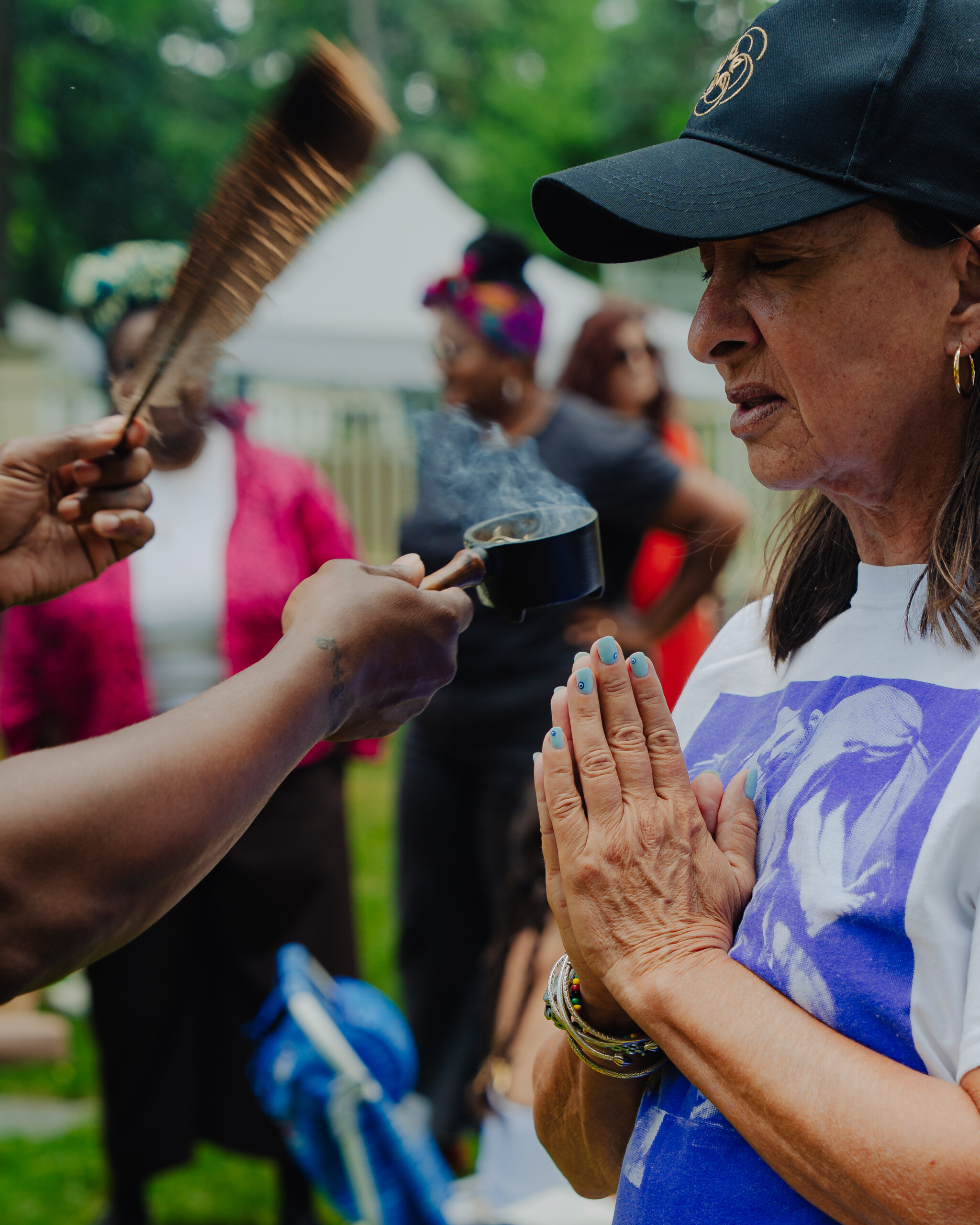
12:45 PM – Blessing to the land, space, and day with síofra
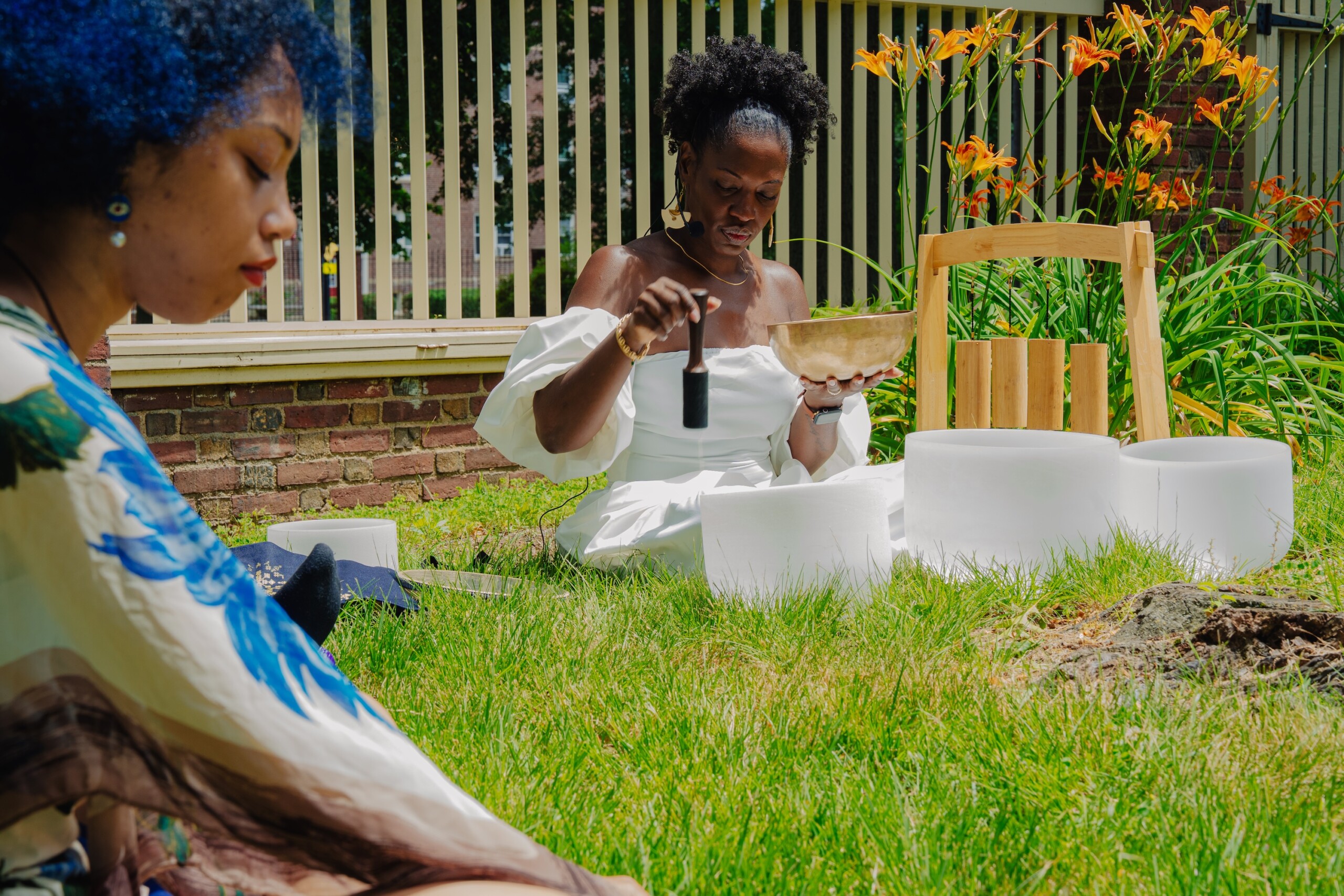
1:00 PM – Sound Bath Meditation with Marlene Boyette
2:00 PM – Mindful Movement with síofra
3:00 PM – Our Ancestors Dreams: A Community Circle with Chanelle John
4:00 PM – Meditation and Reiki with síofra
4:30 PM – Closing Remarks
Ongoing offerings from Math3ca, Ja’Hari Ortega and Jordan Nelson, Bosede A. Opetubo, Royall House and Slave Quarters, and more
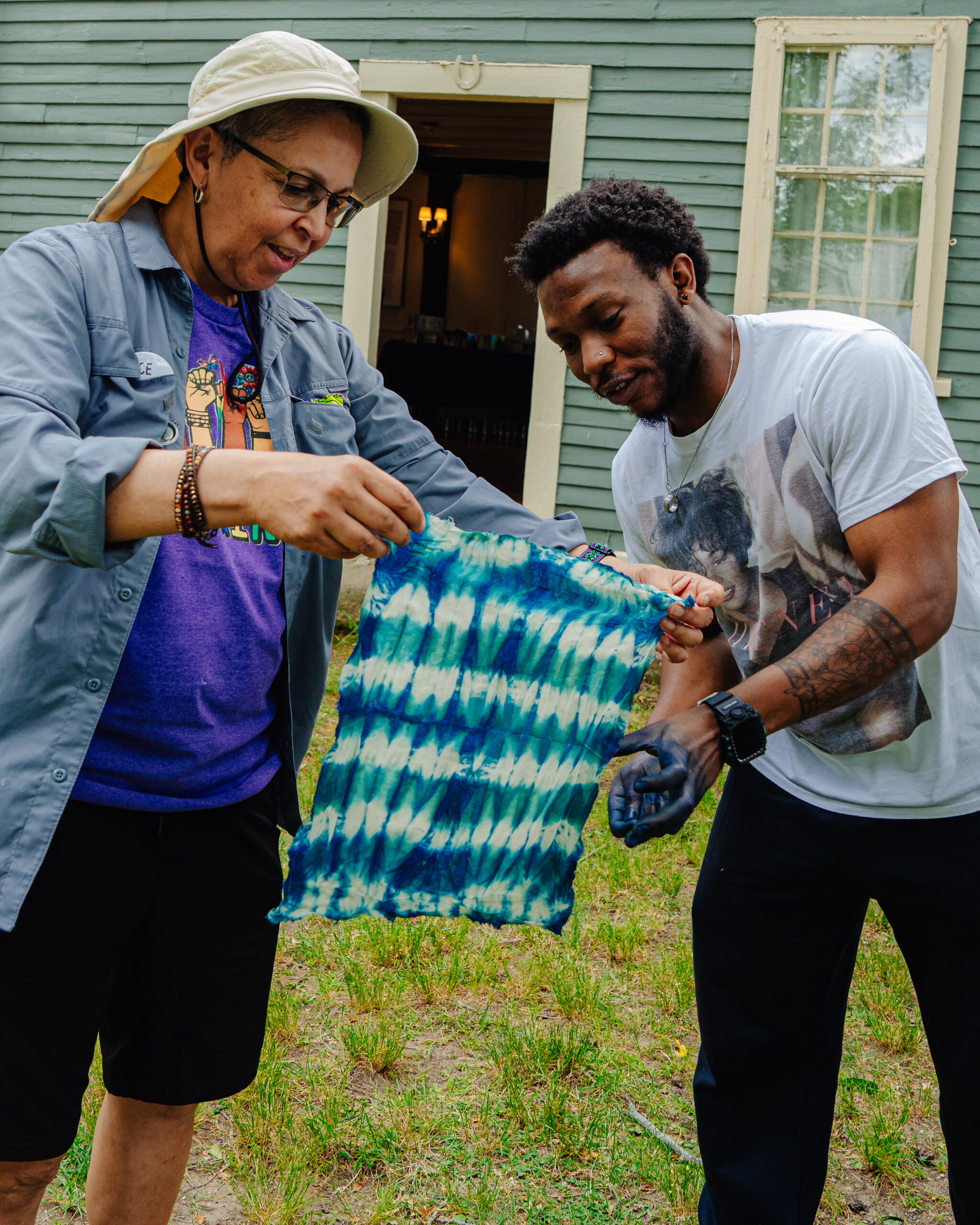
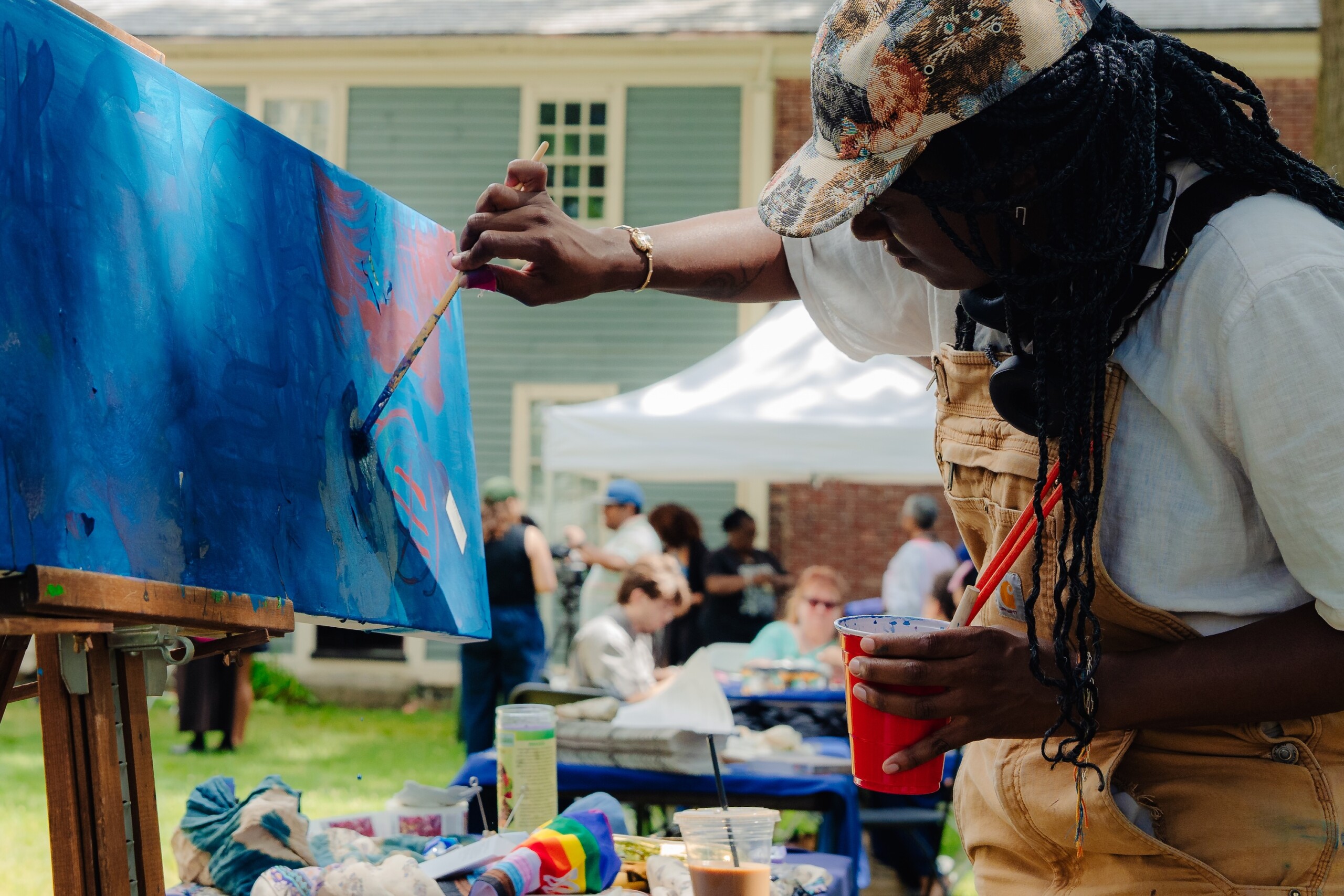
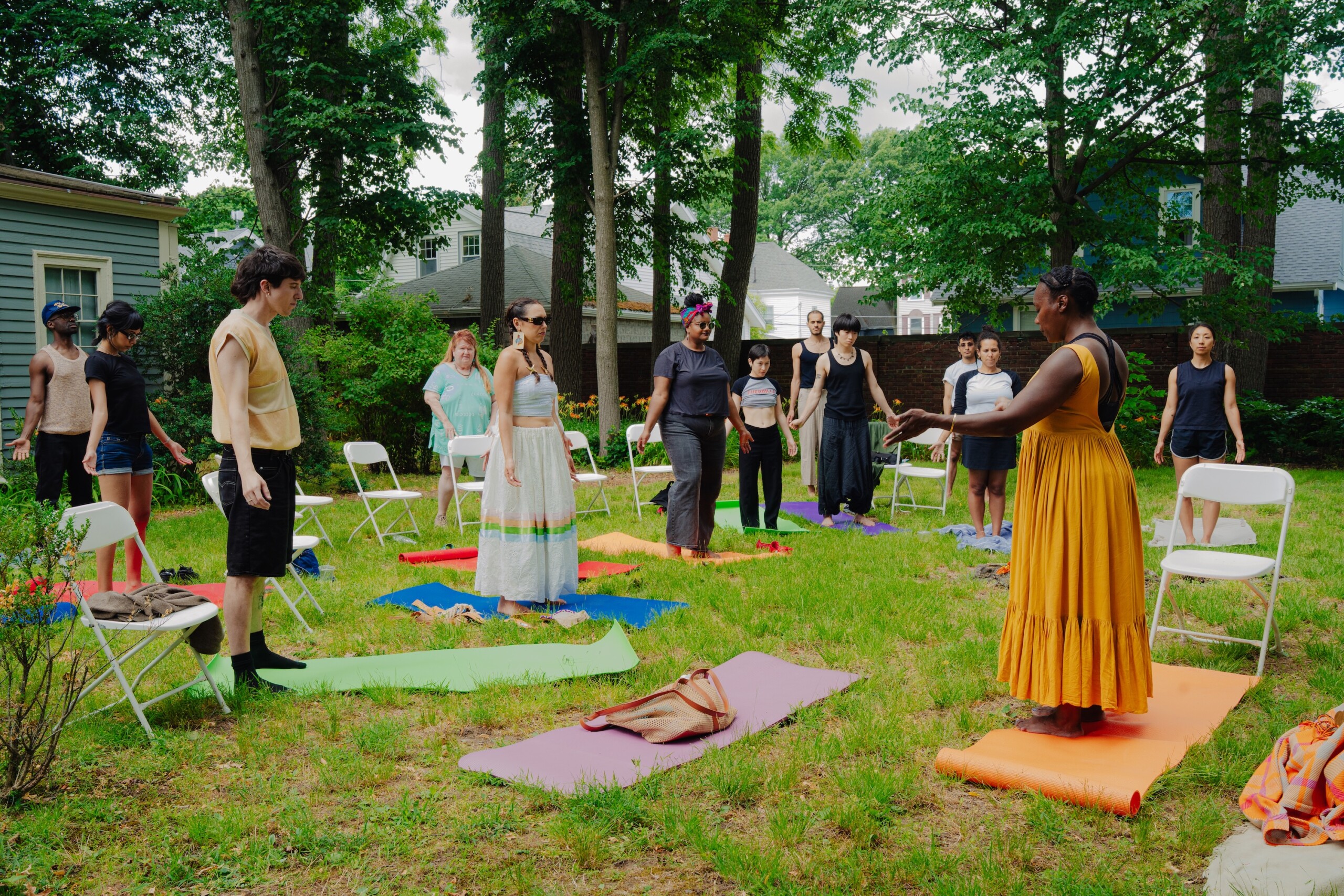
Cosmologyscape: Day of Dreaming also marked Juneteenth at the Royall House and Slave Quarters, a site of memory where honoring the history of slavery means reckoning with the realities facing BIPOC communities today and dreaming together toward a more just and equitable future.
In the eighteenth century, the plantation was home to the Royalls, the largest slaveholding family in Massachusetts, and at least sixty enslaved women, men, and children whose forced labor helped build the Royall family’s wealth. As one of the only remaining freestanding quarters where enslaved people lived and worked in the North, the museum bears witness to their lives, to the intertwined stories of wealth and bondage in pre-Revolutionary Massachusetts, and to the resistance and political and legal activism of enslaved and free Black people in the eighteenth century.