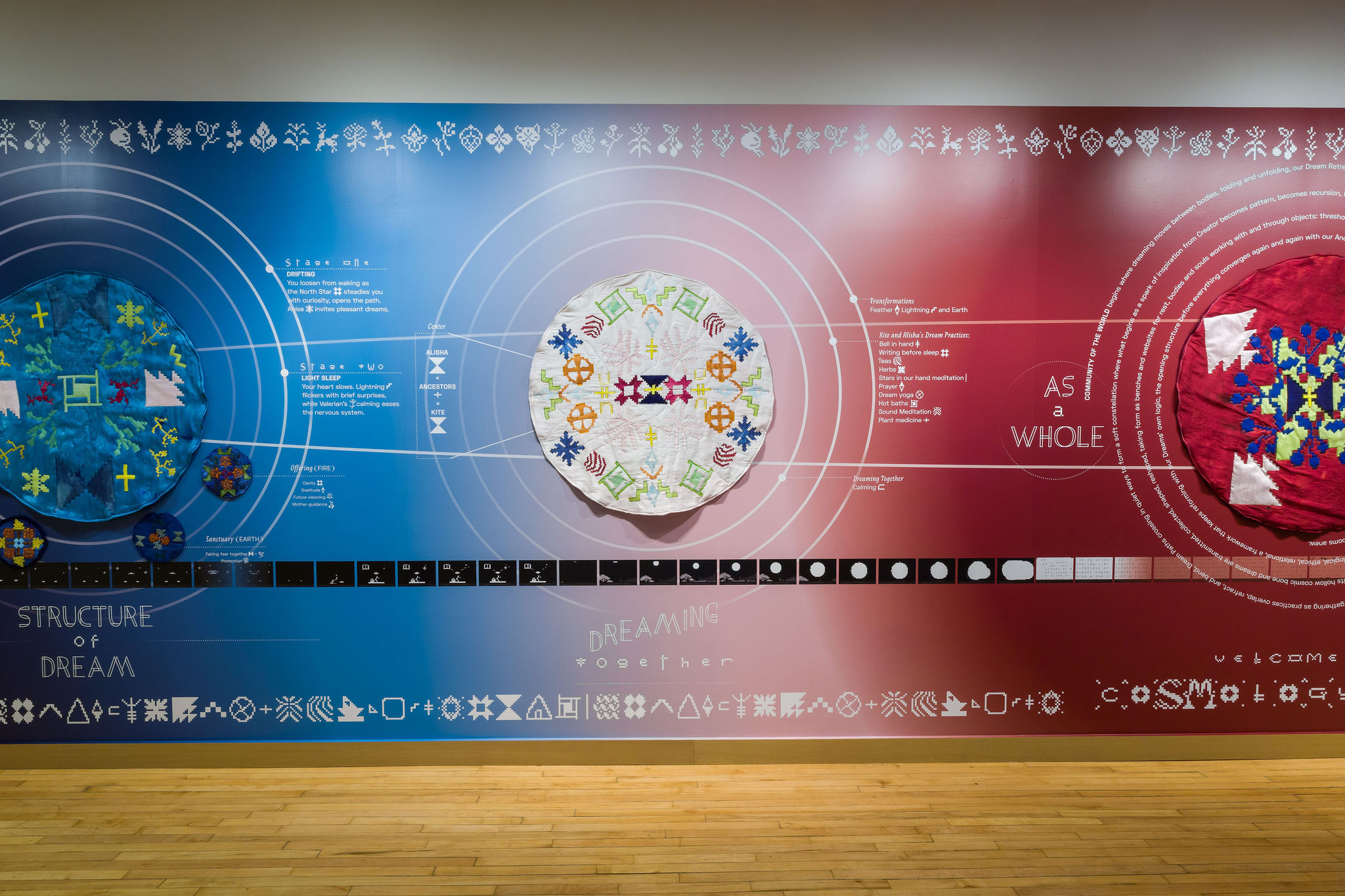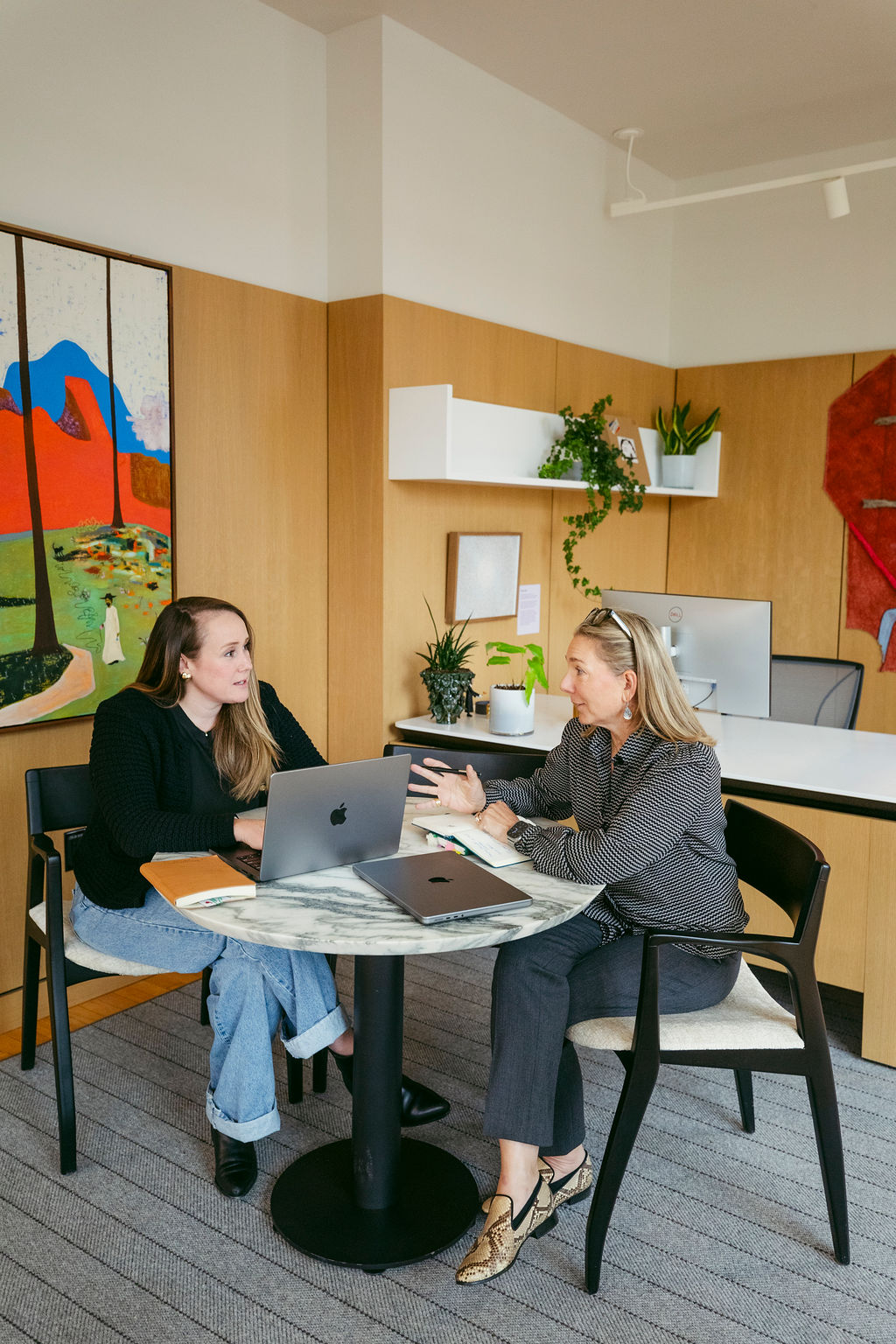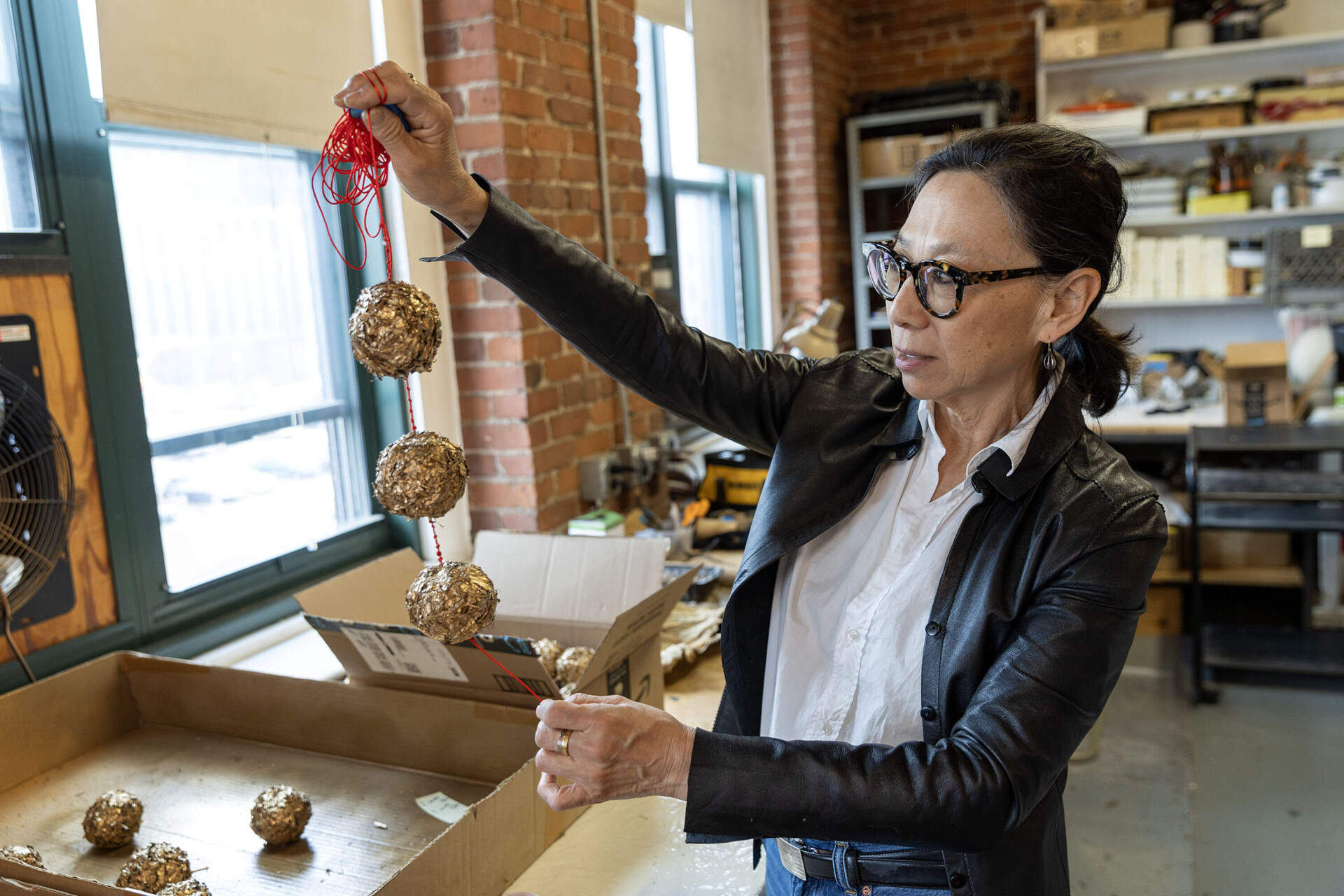
Three Greater Boston artists receive $75,000 awards
WBUR covers the 2026 Wagner Arts Fellowship announcement, highlighting the three Boston-area artists, Tomashi Jackson, Lucy Kim, and Yu-Wen Wu, and the mission behind the fellowship.
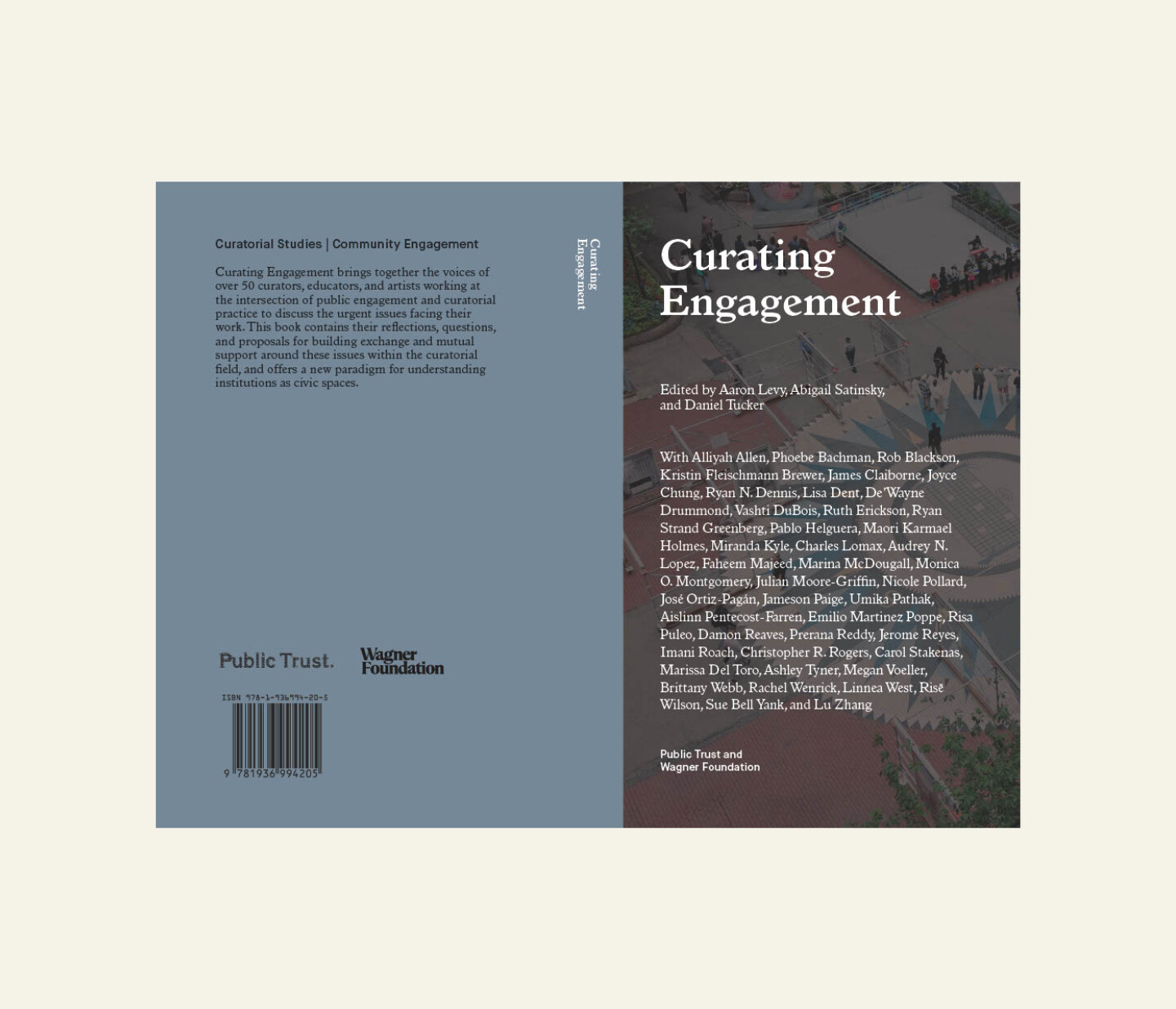
PHILADELPHIA, PA, APRIL 10, 2026 — Wagner Foundation and Public Trust today announce the release of Curating Engagement, an expansive new publication bringing together more than 50 curators, educators, and artists to address the urgent questions facing curatorial practice at the intersection of public engagement, institutional responsibility, and community work. Curating Engagement will be officially released at the Curatorial Forum of EXPO CHICAGO in partnership with Independent Curators International (ICI) on April 10, 2026. The forum will bring together contributors and field practitioners for a live discussion on the themes and practices explored throughout the publication. Curating Engagement is a fieldwide resource available to all as a free pdf, via Public Trust and Wagner Foundation, who envision the project as essential to meeting the moment now for all cultural workers.
Edited by Aaron Levy (Executive and Artistic Director, Public Trust), Abigail Satinsky (Senior Program Officer and Curator for Art and Culture, Wagner Foundation), and Daniel Tucker (Curator-in-Residence, Public Trust), the book emerges from a national field-building retreat hosted at Public Trust in Philadelphia in June 2025.
Curating Engagement arrives at a pivotal moment for the cultural sector. Against a backdrop of significant federal funding cuts, including the abrupt termination of nearly 560 NEA grants totaling more than $27 million, declining museum attendance, and growing questions about institutional relevancy, Curating Engagement documents the conversations, frameworks, and practices of forty practitioners gathered to think collectively about what it means to work with publics when stakes are rising and margins for error are narrowing.
Curating Engagement is available now through multiple channels to ensure the widest possible access across the field. A downloadable PDF edition is available for free through Public Trust, reflecting the editors’ and publishers’ commitment to broad, equitable access for practitioners, students, and communities regardless of institutional affiliation or resources. Physical copies can be purchased through Public Trust’s Bookshop and other online retailers.
This book takes shape as both a record of shared inquiry and a reflection on what it will take to sustain these practices at a national scale. We hope it serves as a resource for emerging and established practitioners alike — everyone working to reimagine institutions as genuine civic spaces.
The Editors of Curating Engagement
Curating Engagement opens with a moderated panel discussion on case studies in curatorial practice, facilitated by Abigail Satinsky. Four practitioners share candid accounts of long-term engagement projects that test the boundaries between institutional affiliation and genuine community partnership. Damon Reaves, the Head of Learning and Engagement at The National Gallery of Art, draws on his experience producing community-rooted programming at
a major museum, including a landmark collaboration with Philadelphia’s ball and vogueing community that redefined what institutional co-creation could look like. Sue Bell Yank, Executive Director of Clockshop, discusses her decade-long project at Taylor Yards in Los Angeles — a former rail yard reclaimed through 12 artist commissions, 90 public programs, and sustained civic advocacy — and reflects on what it means to move at the speed of friendship and trust. Independent curator, Risa Puleo offers a searching examination of her exhibitions Walls Turned Sideways and Counterpublic in 2023, tracing the hard choices made when leveraging exhibition platforms for direct action. Executive Director of Painted Bride Art Center, Risë Wilson speaks to her Carriage House Project — an independent, non-nonprofit site of sovereignty she literally lives in — and reflects on the spectrum of change available to practitioners across and outside of institutional structures. The panel opens into a broader conversation, with questions and contributions from retreat participants including Faheem Majeed, Assistant Professor of Art, University of Illinois Chicago; Maori Karmael Holmes, Chief Executive and Artistic Officer, BlackStar Projects; Ryan N. Dennis, Co-Director and Chief Curator, Contemporary Arts Museum Houston; Lisa Dent, curator and arts & culture worker; Brittany Webb, Curator of Modern and Contemporary Art, Museum of Fine Arts Houston who push the dialogue toward questions of race, scale, sovereignty, and institutional accountability.
At the heart of the June 2025 retreat was a series of four facilitated small-group dialogues, each anchored in a set of thematic tensions and keywords that practitioners named as central to their work. These intimate conversations are reproduced in Curating Engagement as a record of the field’s live thinking, with all the contradiction, candor, and generative friction that peer-driven exchange makes possible.
The first dialogue, “Alliances, Coalitions, Solidarity”, facilitated by Independent curator Alliyah Allen, examines how practitioners build and sustain meaningful alliances across institutional and community lines, and what distinguishes genuine solidarity from transactional partnership. The second, “Expertise, Leadership, Organizations”, facilitated by Rob Blackson, Director of Washington College’s Kohl Galley, grapples with who gets to lead, whose expertise is valued, and how organizational structures enable or constrain equitable practice. The third dialogue, “Seasons, Sustainability, Wellness”, facilitated by Executive Director of A Blade of Grass, Lu Zhang, takes up the question of how practitioners sustain themselves and their communities over time, addressing burnout, pacing, care, and what it means to work at the speed of trust. The fourth, “Formality, Joy, Ethics”, facilitated by Brittany Webb, Curator of Modern and Contemporary Art at the Museum of Fine Arts Houston, explores how joy and ethics can coexist with, or resist, the formal demands of institutional life, and what it looks like to bring one’s full self to curatorial work.
Five original essays commissioned for this volume bring extended critical reflection to the themes raised throughout the retreat. Visual artist Pablo Helguera’s “Engagement Ecospheres” surveys the evolving landscape of socially engaged art and curatorial practice, mapping the interconnected ecosystems of artists, institutions, communities, and funders that shape the field. Co-Director and Chief Curator at Contemporary Arts Museum Houston Ryan N. Dennis’s “From Engagement to Leadership” traces her own trajectory from community-based programming to institutional leadership, asking what is gained and lost in that transition and how practitioners can carry their values with them as they move into positions of power. Barbara Lee Chief Curator and Director of Curatorial Affairs at ICA Boston, Ruth Erickson’s “The Only Way Through It Is Together” reflects on collective practice as both a political and a poetic stance, arguing for forms of solidarity that go beyond coalition-building to genuine interdependence. Director of Humanities at Thomas Jefferson University, Megan Voeller’s “Curatorial Practice in Academic Medicine” draws on her work at Thomas Jefferson University to examine how curatorial thinking can transform health humanities, and what museums might learn from medicine’s encounter with illness, vulnerability, and care. Independent curator Risa Puleo’s “Models for Curating in Crisis” returns to the tensions raised in the opening panel, between institutional engagement and direct action, to offer a more sustained theory of curatorial practice as a form of political work.
The book closes with three extended project dialogues that place real collaborations under the lens, tracing the slow, relational work of long-term engagement in practice.
“Why Gather?” is an interview with Public Trust and Wagner Foundation, conducted by Jerome Reyes, that reflects on the origins and aspirations of the retreat itself, what brought these practitioners together, what the editors hoped would happen, and what actually did.
“Caring and Curing” documents an ongoing collaboration between The Colored Girls Museum, led by founder Vashti DuBois, and Public Trust. This conversation explores how a place-based memoir museum, the first institution of its kind dedicated to the lives of ordinary women and girls of the African Diaspora, navigates questions of sovereignty, storytelling, and institutional partnership.
“On Time and Ownership” brings together three collaborators in a remarkable intergenerational, cross-sector housing and arts project in Philadelphia’s Mantua neighborhood. Rachel Wenrick of Writers Room, De’Wayne Drummond of the Mantua Civic Association, and real estate developer Charles Lomax of Lomax Real Estate Partners describe the origins and evolution of a model for arts-centered co-housing, Black homeownership, and aging-in-community that grew from a decade of relationship-building, community meetings in the middle of the street during COVID, and a shared refusal to wait for institutional permission.
Aaron Levy, PhD, MPhil is Executive and Artistic Director of Public Trust and Senior Lecturer in English and History of Art at the University of Pennsylvania. For more than 20 years, he has worked with an expansive network of university and community collaborators in curating programs that integrate health, education, and ecology.
Abigail Satinsky is Senior Program Officer and Curator for Art and Culture at Wagner Foundation. She is the editor of multiple books on social practice and artist-run spaces and networks including Art for the Future: Artists Call and Central American Solidarities (with Erina Duganne); Support Networks (Chicago Social Practice History series), and PHONEBOOK (threewalls).
Daniel Tucker is Curator-in-Residence at Public Trust, faculty fellow at University of Pennsylvania’s Center for Experimental Ethnography, and organizer of the Eco-Social Series. He has published extensively on engagement curating in the International Journal of the Arts and Society.
More Insights