What does it take for cultural institutions to truly serve the publics they are meant to engage?
At a time when the arts and culture sector is navigating profound financial, political, and social shifts, that question feels more urgent than ever. Across the United States, cultural organizations are operating under increasing strain. Federal funding for the arts is becoming more uncertain and, in some cases, more narrowly defined. In 2025 alone, . At the same time, attendance has not fully rebounded to pre-pandemic levels, and organizations are being asked to do more, often with fewer resources, while also responding to evolving expectations around equity, relevance, and public accountability.
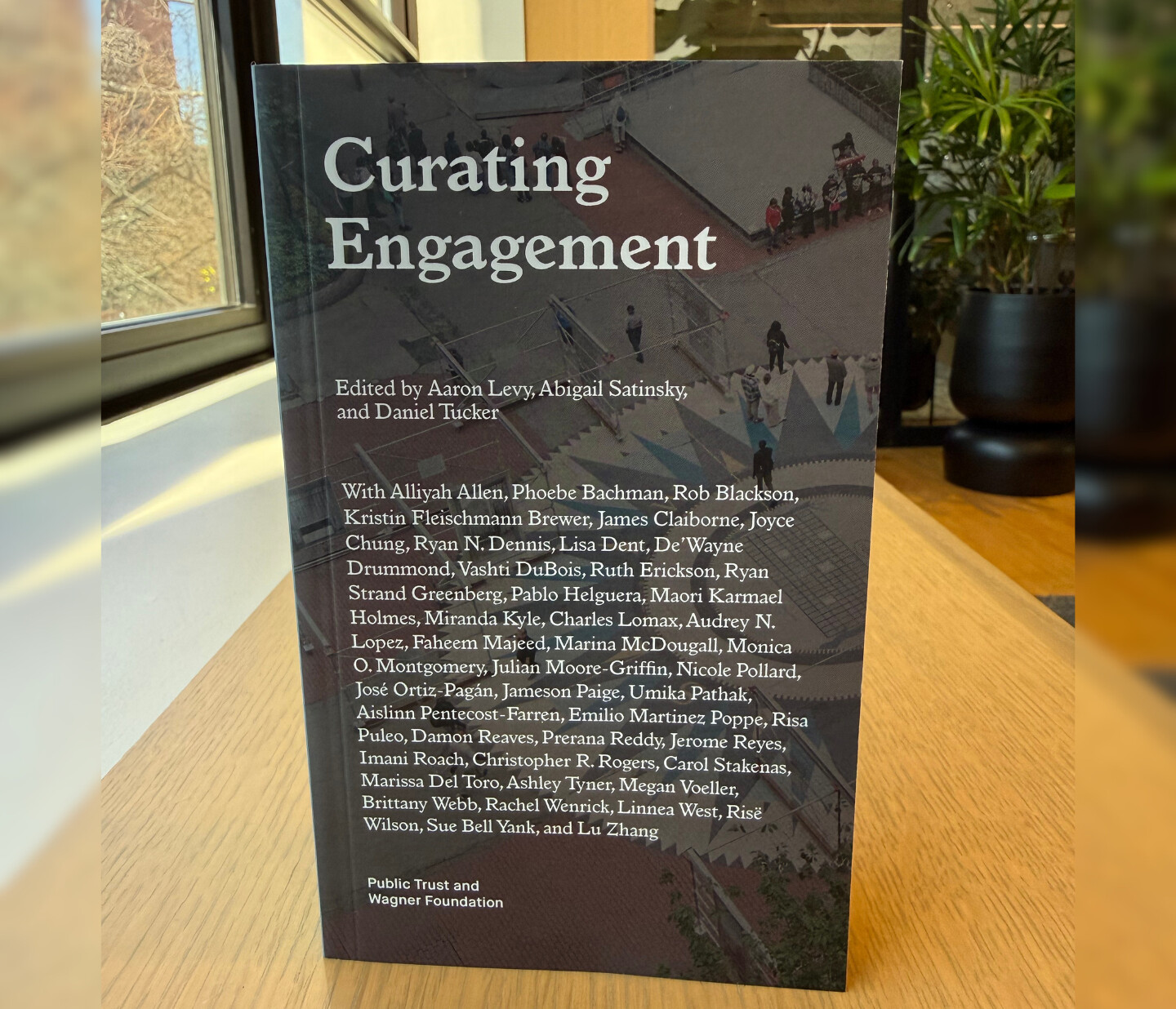
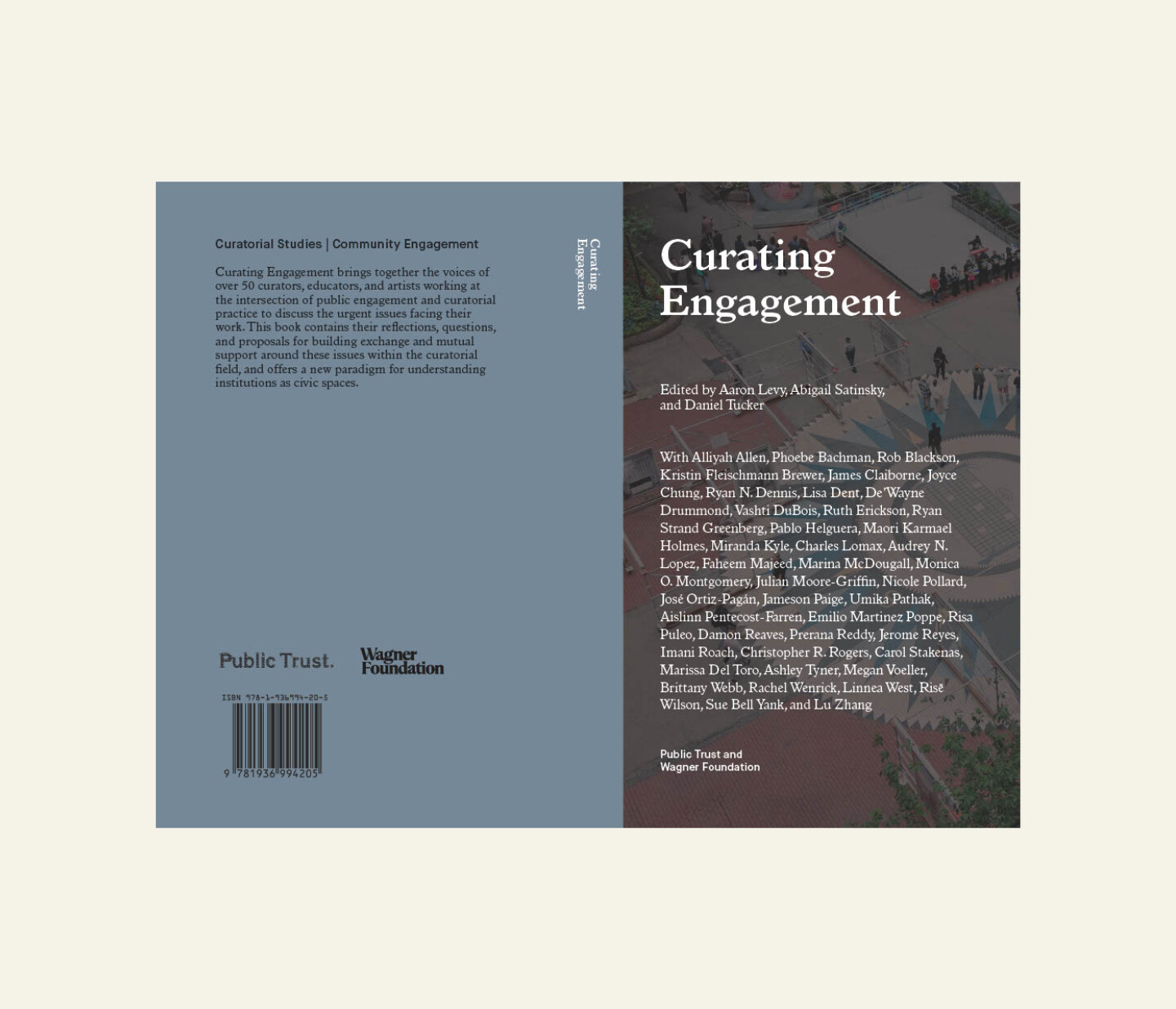
It is within this context that Curating Engagement takes shape. Emerging from a national convening of practitioners, the publication brings together the voices of more than 50 curators, educators, artists, and cultural workers who are actively grappling with what it means to engage publics in this moment. Rather than presenting a single framework or set of solutions, the book reflects the field as it is currently practiced: complex, contested, and in transition. It documents not only strategies and models, but also the questions, tensions, and shared language that are shaping the future of curatorial and engagement work.
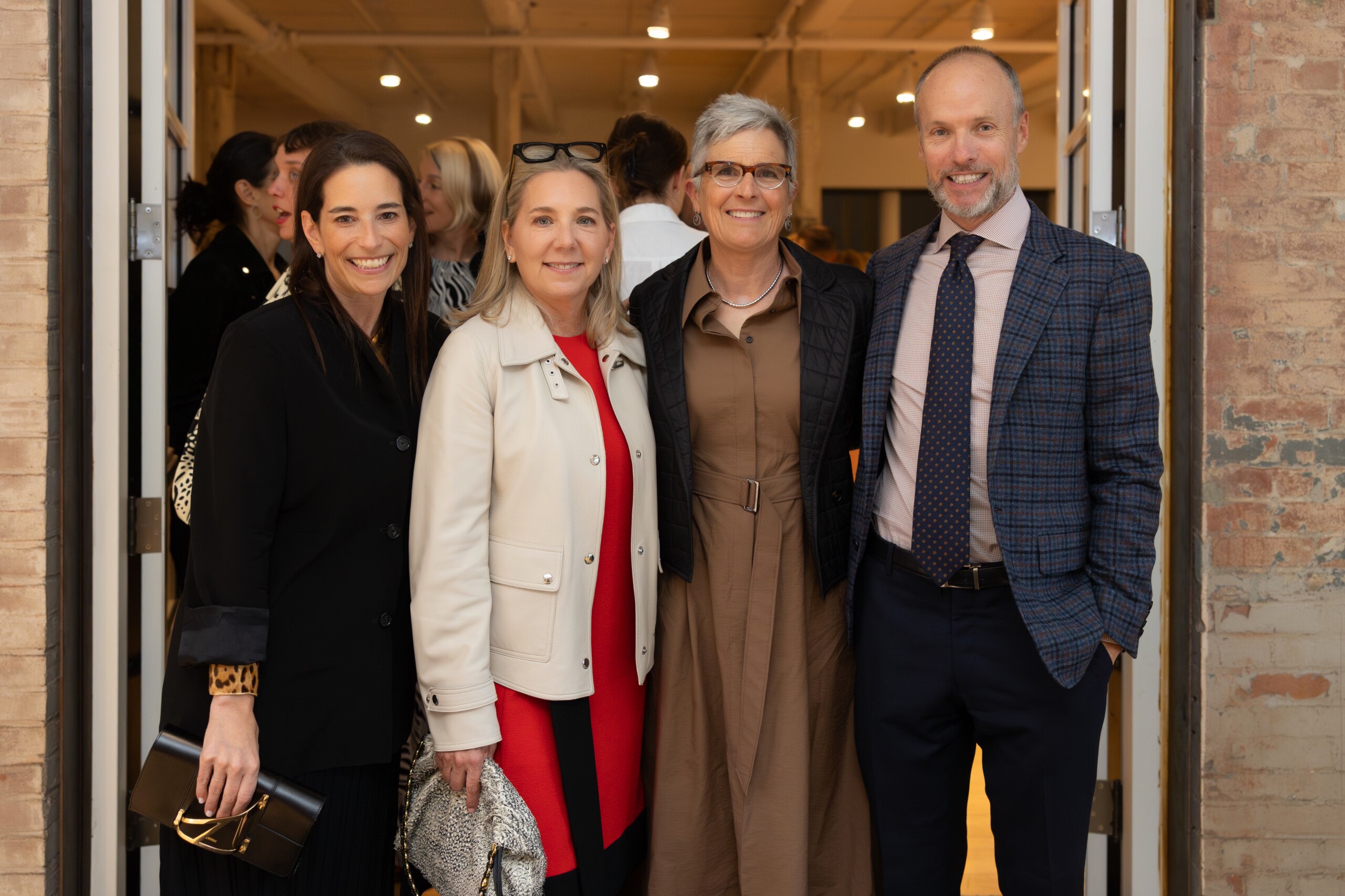
As both a program officer at Wagner Foundation and a co-editor of Curating Engagement, I experienced this work from two vantage points that are not often in close alignment. Philanthropy can sometimes sit at a distance from the field it supports, but this project was shaped through a combination of both my own and the foundation’s proximity, long-standing relationships, shared inquiry, and commitment to learning alongside peers. Collaborating with Aaron Levy, Daniel Tucker, and dozens of contributors reinforced a belief that has long guided my work and Wagner Foundation’s: that the most meaningful insights emerge from within the field itself.
Curating Engagement carries forward this spirit. The publication was not commissioned as a static piece of research. Instead, it is the result of a convening that provided space for honest exchange between arts and culture peers at a moment when the stakes for cultural institutions are rising and the margin for error is narrowing. It is grounded in lived experience and shaped by practitioners navigating these challenging conditions in real time.
The foundation’s support for Curating Engagement also reflects a broader commitment to helping cultural institutions evolve in response to changing public needs. Across our art and culture work, we are interested in how organizations can move beyond transactional or episodic engagement toward deeper, more sustained relationships with the communities they serve. This includes rethinking not only programs, but also structures, practices, and assumptions about who holds expertise and how institutions define their public role.
The contributors to this volume offer a wide range of perspectives on these questions, drawing from work that spans museums, community-based organizations, and independent practice. What connects them is a shared recognition that engagement is not a supplemental function of cultural institutions, but a central responsibility. It requires long-term commitment, responsiveness, and a willingness to share power in meaningful ways. At a time when many organizations are facing contraction and uncertainty, this kind of work can be difficult to sustain. Yet it is also where some of the most important innovation is happening. Supporting this publication is one way Wagner Foundation is supporting that ongoing inquiry and exploration, and ensuring that practitioners have the space to reflect, connect, and build new approaches together.
Curating Engagement is both a reflection of the field and an invitation. It captures a moment of transition while also pointing toward what it will take to move forward, not in isolation, but in collaboration with those who are shaping the work every day.
“Curating Engagement” is a new publication from Wagner Foundation and Public Trust that brings together the conversations, frameworks, and practices of 50+ curators, artists, and educators to address the urgent questions facing curatorial practice today. Edited by Aaron Levy (Executive and Artistic Director, Public Trust), Abigail Satinsky (Senior Program Officer and Curator for Art and Culture, Wagner Foundation), and Daniel Tucker (Curator-in-Residence, Public Trust), the book emerges from a national field-building retreat hosted at Public Trust in Philadelphia in June 2025.